A well-designed bar is not defined only by its bottles.
The tools behind the counter play an equally important role in how efficiently drinks are prepared, how consistently they are served and how polished the overall guest experience feels.
For hotels, restaurants and cocktail bars, choosing the right bar accessories is therefore both an operational and design decision.
When working with bar accessories suppliers in India, hospitality businesses should look beyond individual products and think about the complete service environment. The best bar accessories should feel comfortable to use, perform reliably through repeated service and complement the visual language of the bar itself.
Here are some of the most important categories to consider when building or upgrading a professional bar.
Start With the Core Cocktail Tools
Every functioning bar needs a reliable set of essential preparation tools.
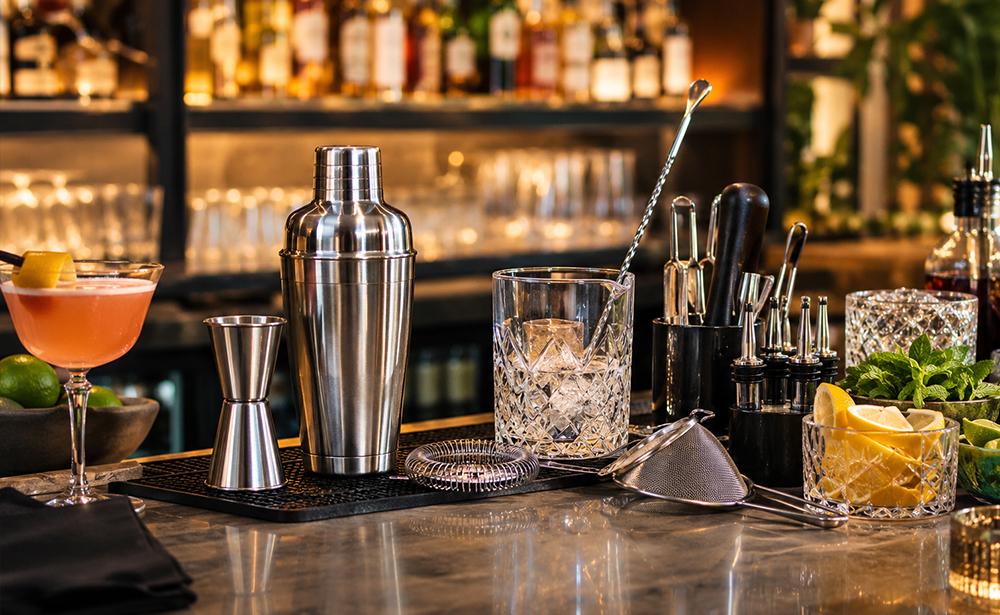
Cocktail shakers, jiggers, strainers, bar spoons and muddlers form the foundation of day-to-day beverage service. These are the tools bartenders interact with constantly, so balance, grip and durability matter more than they may appear to at first.
A shaker should close securely and open easily during a busy service. A jigger should allow accurate pouring without slowing the bartender down. A strainer should sit properly over the mixing vessel. A bar spoon should feel balanced enough for controlled stirring.
Small ergonomic improvements can have a large cumulative impact when a bartender is preparing hundreds of drinks during a service.
For hospitality buyers, this is one reason it is worth examining physical samples before finalising bulk orders.
Jiggers Are Small, but They Matter
Consistency is one of the most important elements of professional bar service.
A drink served on Friday night should taste the same when ordered again the following week.
Jiggers help maintain that consistency.
They allow bartenders to measure spirits, syrups and other ingredients accurately, which affects flavour, presentation and even inventory control.
Hotels and restaurants should ideally choose jiggers with clear capacities and a shape that suits the way their bartenders work.
For premium bars, the design and finish can also contribute to the visual theatre of cocktail preparation.
Shakers Should Match the Style of Service
Cocktail shakers are among the most visible pieces of bar equipment.
Boston shakers are widely used in professional environments because they are fast and efficient. Cobbler-style shakers can offer a more self-contained format with a built-in strainer and may suit certain bar concepts or service styles.
The right choice depends on the beverage programme and the preferences of the bar team.
Regardless of style, hospitality-grade shakers should be strong enough to handle repeated use without warping, leaking or becoming difficult to separate.
Finishes also matter.
Polished stainless steel creates a classic professional appearance, while matte, gold, rose gold, black or other contemporary finishes can support a more distinctive bar aesthetic.
Strainers and Bar Spoons Should Never Be an Afterthought
Some of the simplest bar accessories have an outsized influence on service quality.
A good strainer allows bartenders to control ice and ingredients while pouring. A well-proportioned bar spoon supports smooth stirring and layering.
These products are relatively inexpensive compared with many other hospitality purchases, but poor-quality versions can quickly become frustrating during service.
Bars should choose products based on usability first.
The best accessories are the ones bartenders can use instinctively without having to adjust their technique around the tool.
Ice Tools Are Essential to Efficient Service
Ice is central to modern beverage programmes.
It chills cocktails, changes dilution, affects presentation and often becomes part of the visual identity of the drink itself.
Ice buckets, ice tongs, scoops and related accessories should therefore be selected carefully.
For table-side service or premium suites, an ice bucket may need to look refined enough to remain visible in front of the guest. Behind the bar, functionality and speed become more important.
The material should also withstand constant exposure to moisture without losing its finish.
This is where good stainless steel construction becomes particularly valuable.
Bottle Openers, Corkscrews and Wine Service Tools
Wine and bottled beverage service requires another set of accessories.
Bottle openers and corkscrews may seem basic, but they are used constantly across hotels, restaurants and banquets.
A poorly designed corkscrew can slow service. A weak bottle opener can bend or become uncomfortable to use after repeated pressure.
Wine service may also require bottle stoppers, wine coolers and presentation accessories depending on the concept.
For fine-dining restaurants and luxury hotels, these details contribute to the ritual of service.
The product should therefore feel appropriate for both staff handling and guest-facing presentation.
Consider the Presentation of Garnishes and Condiments
Cocktail preparation often involves more than spirits and mixers.
Garnishes, herbs, fruits, olives, salts and other finishing elements need organised storage and presentation.
Garnish trays and condiment holders can help keep ingredients accessible while maintaining a clean workstation.
In high-volume bars, organisation becomes especially important.
Good accessories reduce unnecessary movement behind the counter and help bartenders work faster without compromising presentation.
The most effective bar setups are often the ones where each tool has a clear place and purpose.
Bar Trays and Service Accessories Shape the Guest Experience
Not every bar accessory sits behind the counter.
Trays, coasters, beverage holders and service pieces are directly visible to guests.
These products should work with the overall visual identity of the property.
A luxury hotel bar may prefer understated metallic finishes and heavier presentation pieces. A contemporary restaurant might choose cleaner shapes and matte textures. A high-volume banquet operation may prioritise durability and versatility.
This is why hotels should avoid selecting barware in isolation.
The bar accessories should feel connected to the glassware, tabletop, interiors and broader service experience.
Material Quality Matters More in Commercial Environments
Professional bars place far greater stress on accessories than home environments.
Products are exposed to moisture, citrus, syrups, cleaning chemicals, frequent handling and repeated washing.
Stainless steel remains one of the most practical choices because it offers durability, corrosion resistance and ease of maintenance.
However, the quality of construction still varies considerably.
Welds, joints, rims, handles and surface finishes should all be examined carefully.
A product may look attractive initially but perform poorly over time if the construction quality is weak.
When evaluating bar accessories suppliers in India, hospitality buyers should therefore consider manufacturing quality as seriously as appearance.
Finishes Can Help Define the Bar’s Identity
Modern barware is no longer limited to polished silver stainless steel.
Gold, black, copper-toned, rose gold, satin and matte finishes are increasingly used to create stronger visual identities.
These finishes can be especially effective in premium bars, rooftop venues, luxury hotels and design-led restaurants.
The key is restraint.
Every tool behind the counter does not need to make a statement.
Often, a consistent finish across selected accessories creates a more sophisticated result than combining too many colours or materials.
Maintenance should also be considered before choosing specialised finishes, particularly in environments with heavy washing cycles.
Think About the Complete Bar Setup
One of the most common procurement mistakes is purchasing bar tools individually without considering the complete workflow.
A better approach is to map the way drinks are prepared, served and cleared.
Consider where ingredients are stored, where ice is handled, where cocktails are mixed, how bottles are opened, where garnishes are kept and how beverages are eventually presented to guests.
This helps identify which accessories are genuinely necessary and which are simply decorative.
It can also help hospitality businesses avoid over-ordering some products while missing important operational tools.
Experienced bar accessories suppliers in India can be useful at this stage because they understand how the different pieces work together within a professional environment.
Choose Accessories That Can Be Reordered
Like cutlery and other hotelware, bar accessories are regularly lost, damaged or redistributed.
This makes repeat availability important.
Hotels should consider whether the supplier can continue to provide matching products or finishes when replacements are needed later.
For groups operating several properties or restaurant locations, consistency becomes even more important.
Standardising core bar tools across locations can simplify procurement, training and inventory management.
Final Thoughts
A professional bar works best when its accessories support the people using them.
The right tools should improve speed, accuracy and consistency while contributing subtly to the overall guest experience.
For hotels, restaurants and cocktail bars, this means choosing bar accessories based on more than appearance alone.
Material quality, balance, durability, maintenance, finish and replacement availability all matter.
Working with experienced bar accessories suppliers in India can help hospitality businesses create bar setups that perform reliably during service while maintaining the visual standards expected from a professional hospitality environment.
Venus Industries manufactures and supplies a wide range of professional bar accessories and hotelware for hotels, restaurants, bars, banquets and hospitality businesses, with options suited to both high-volume operations and premium service environments.